Introduction
Cardiopulmonary resuscitation (CPR) is a life-saving method that's critical in emergencies, particularly when someone experiences heart attack. The instant feedback of spectators can imply the difference in between life and fatality. But not all mouth-to-mouth resuscitation techniques are produced equal. Comprehending the science behind compression depth and price in CPR can considerably boost the effectiveness of this important intervention. In this write-up, we will dive deep into the nuances of mouth-to-mouth resuscitation, analyzing various aspects from basic to advanced life assistance, checking responsiveness, health center codes and methods, public defibrillator use, BLS certification, identifying no breathing, taking turns on compressions, and much more.
The Science Behind Compression Deepness and Rate in CPR
Before diving into the specifics of compression depth and price, it's essential to understand what they involve. Compression deepness refers to exactly how far you push down on the upper body during compressions, while compression rate is about how promptly you provide these compressions. Both factors are essential for making certain efficient blood flow throughout cardiac arrest.
Why Is Compression Deepness Important?

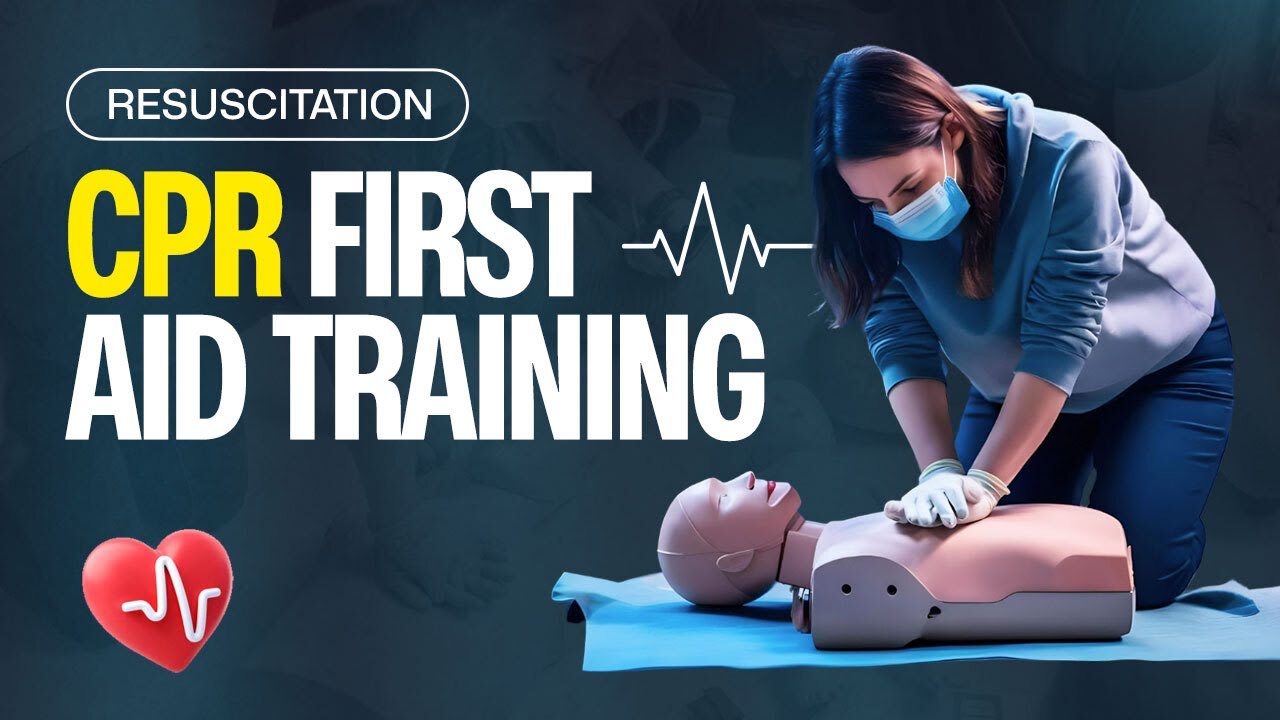
Research suggests that appropriate compression deepness-- between 2 to 2.4 inches for grownups-- is critical for optimum blood circulation. Compressions that are also shallow might not successfully circulate blood to crucial body organs.
What About Compression Rate?
The recommended compression price is in between 100 to 120 compressions per min. A slow compression rate can result in poor blood circulation, which can reduce the chances of survival.
In significance, both compression depth and price play an essential role in keeping ample perfusion stress-- also before expert aid arrives.
Basic vs Advanced Life Assistance: Differences Explained
Understanding Basic Life Support (BLS)
Basic Life Assistance (BLS) incorporates essential techniques that any person can discover-- like carrying out CPR efficiently or making use of an Automated External Defibrillator (AED). The focus is mainly on acknowledging heart attack and launching prompt action.

Components of Basic Life Support
- Checking Responsiveness: Before beginning mouth-to-mouth resuscitation, it's essential to analyze whether the casualty is responsive. Identifying No Breathing: Identifying when somebody has quit breathing is important for timely intervention.
Advanced Life Assistance (ALS)
Advanced Life Support goes an action further. It consists of innovative respiratory tract monitoring techniques and medications that educated health care experts administer.
Key Distinctions Between BLS and ALS
|Function|Basic Life Support|Advanced Life Assistance|| ---------------------------|-------------------------|--------------------------|| Training Level|Layperson-friendly|Requires clinical training|| Strategies Utilized|Breast compressions & & AED|Medications & & intubation|| Tools|AED|Advanced tracking tools|
Understanding these differences helps make clear when each approach should be used during emergencies.
Hospital Codes and Procedures: What You Required to Know
Understanding Hospital Codes
Hospitals have particular codes that inform team to emergencies calling for immediate attention. For example, "Code Blue" typically suggests a person needing resuscitation.
Importance of Procedures in Resuscitation
Following healthcare facility methods guarantees that treatment is consistent and effective. These protocols commonly integrate standards around compression deepness and price based on current research findings.
How Codes Influence Compressions
During a Code Blue circumstance:
- Medical teams swiftly assume roles. Compressions must start right away after validating heart arrest. Following developed protocols improves team effort efficiency.
Public Defibrillator Usage: Key Considerations
What Is an AED?
An Automated External Defibrillator (AED) is a mobile device that immediately diagnoses life-threatening cardiac arrhythmias. It provides electric shocks to bring back regular heart rhythm.
Using Public AEDs Effectively
Locate the Device: Acquaint yourself with places where AEDs are available. Follow Voice Motivates: Public AEDs overview customers with their usage step-by-step. Combine with Compressions: Utilize the AED along with high-grade breast compressions for optimum effect.BLS Certification: Why It Matters
Importance of Obtaining BLS Certification
Getting licensed in BLS furnishes people with necessary skills required throughout emergencies-- including appropriate compression techniques.
Elements Covered in BLS Training
- Checking responsiveness Identifying no breathing Taking turns on compressions Maintaining composure under stress
These skills guarantee that qualified people can act emphatically when secs count.
Identifying No Breathing: An Essential Skill
Recognizing when a person isn't breathing is an important ability in emergency circumstances:
Check for typical breaths for no more than 10 seconds. Look for upper body motion or listen for breath sounds. If there's no indicator of breathing, start CPR immediately.Being swift yet precise can influence results dramatically-- which leads us back to comprehending right compression prices and depths!
Taking Activates Compressions: Finest Practices
When several -responders are present:
- Switch every two mins or after 5 cycles of compressions. This practice reduces tiredness and preserves high-quality compressions.
It's essential that every person involved knows their functions clearly-- communication plays a considerable function here!
Lower Compression Deepness: Risks Involved
While it might be alluring to go simple on depth because of fear of harming a person, research studies reveal:
- Lower compression midsts decrease blood circulation significantly. It's better to err on the side of caution by adhering strictly to advised depths.
A complete commitment guarantees much better outcomes!
Slow Compression Price: Effects on Survival Rates
Adhering strictly to advised prices boosts blood circulation:
- Slow rates decrease perfusion pressure leading directly towards poorer survival rates.
Maintaining composure throughout this procedure guarantees you're supplying reliable care without panicking-- a big plus!
FAQ Section
1. What is the optimal compression depth for grownups throughout CPR?
The suitable compression depth for adults varies from 2 inches (5 centimeters) up to about 2.4 inches (6 centimeters).
2. Just how quickly must I execute upper body compressions?
Chest compressions should be supplied at a price between 100 to 120 compressions per minute.
3. What steps should I take if I locate a person unresponsive?
First check responsiveness; if there's none, ensure they're not taking a breath before starting CPR immediately while calling emergency situation solutions if possible!
4. Can anyone utilize an AED?
Yes! Public AEDs are created for laymans; they offer audio instructions guiding you via each action safely!
5. What does BLS qualification entail?
BLS accreditation covers essential lifesaving abilities such as inspecting responsiveness, conducting reliable chest compressions & & utilizing AEDs appropriately among others!
6. Why do we require to take turns while doing compressions?
Fatigue embed in swiftly when executing continuous upper body compressions; switching every number of minutes makes sure premium performance throughout resuscitation efforts!
Conclusion
Understanding The Scientific research Behind Compression Deepness and Price in CPR empowers onlookers with understanding essential for conserving lives throughout emergency situations-- every 2nd matters! With appropriate training via programs like BLS accreditation along with awareness regarding CPR Training providers Melbourne hospital codes & & protocols combined with Visit this link public defibrillator usage familiarity encourages people all over! Bear in mind-- the most important element remains keeping composure throughout any circumstance while acting emphatically might spell all the distinction! So equip yourself today; your skills might conserve a life tomorrow!